
What Happens During a Voluntary Police Interview and How to Prepare
When the police call or write someone asking them to come into a voluntary police interview, it’s a very intimidating experience for almost anyone. Even if the circumstances are cut and dry, the mere fear of the unknown about what will happen makes the entire experience almost traumatic. However, a voluntary police interview is serious but can go very well under certain considerations, as long as proper preparation and understanding of what a voluntary police interview actually means, is understood.
Is it True That They Voluntary Police Interview Does it Mean There is Not Enough Evidence?
The first question people ask when they get this process served to them is if it means the police don’t have enough to charge them with. This is certainly a valid concern. Looking into the topic of a Voluntary Police Interview, Does it Mean There is not Enough Evidence is something that people very often research after receiving such an encounter and for good reason, it’s important to understand a position before entering a room of investigation.
The truth is, the context of evidence is not always black and white, especially at this stage. Many times, police will use a voluntary interview as a method of segueing into more information gathering (missing pieces) or understanding what a suspect has to say before making any further decisions. It does not mean there’s nothing for or against you, but it also does not mean an arrest is imminent. Instead, the situation lives in a grey area which makes peace of mind all the more important.
What Voluntary Actually Means
The word voluntary is very misleading. Yes, legally, without an arrest, someone can technically get up and leave. But that does not mean that this is an informal conversation with no ongoing implications. Anything someone says in a voluntary interview under caution can still be determined as evidence moving forward. Why? Because the caution begins with "you do not have to say anything" just like it would for anyone formally arrested.
Voluntary does not mean informal. Police are still actively investigating and involved, asking questions with meaning, and recording everything for further assessment. Therefore, one of the biggest mistakes someone makes going in is diminishing the circumstances because they’re "voluntary" instead of seeing everything for what it is regardless.
Right to Representation
Anyone who steps foot into the interview has the right to speak with a solicitor, before anything begins—and this right must be exercised. A solicitor can examine what’s known about the situation beforehand, share what someone might want to bring up or avoid saying, and be present throughout the interview. This is not about looking guilty or like you don’t care, this is about protecting oneself, and rightly so.
Solicitors who focus on criminal matters encounter these situations on a regular basis. They understand what gets asked most often, where people might stumble over questions in an unexpected way, or where remaining silent speaks louder than any potential explanation anyone might think about saying. Their objective insight into such a subjective situation can truly make all the difference in the world, especially when stress levels peak.
What to Expect on the Day
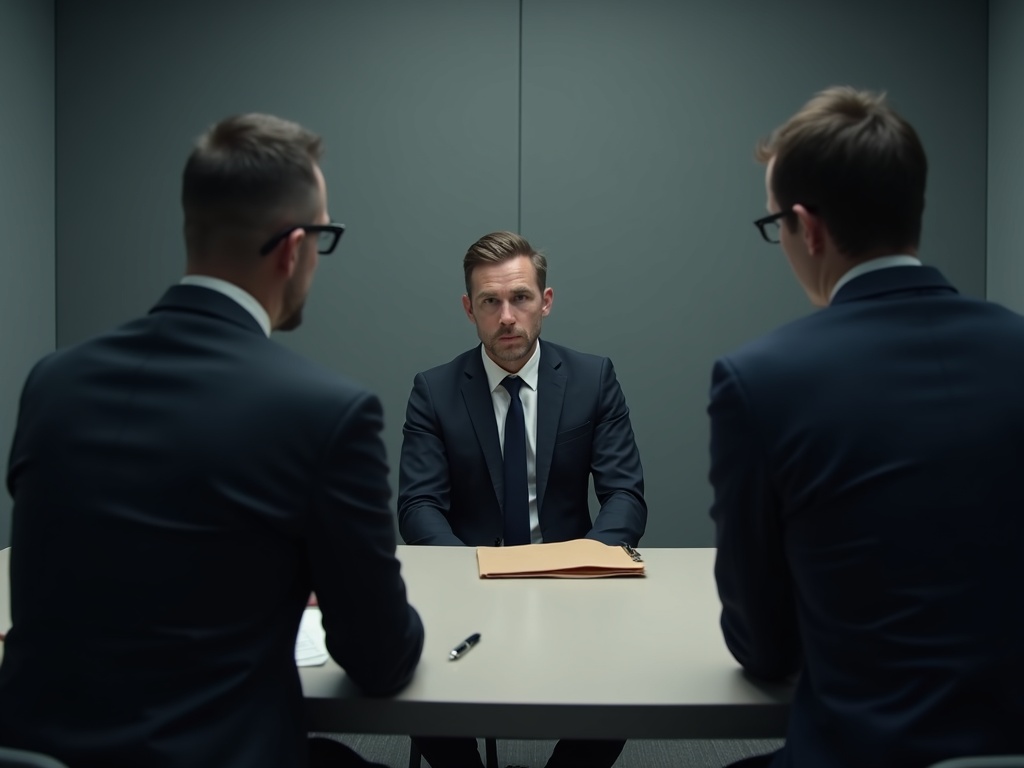
The day of the police interview itself will generally take place at a precinct but it’s not as dramatic as most people believe it to be. There’s no holding cell, there’s no formalized booking process, just a room, a record, and officers who will ask subsequent questions about what they’re investigating.
Upon arrival, the caution will be read out loud, the officers will let someone know why they’re being interviewed and then the questions will start. Questions can range from what seems seemingly factual to more investigatory reflective inquiries designed to see if someone gets their story straight or understands the nuance behind certain developments.
The goal is not to rush anyone but there will be no unwarranted time to wrangle up answers on one’s own; instead, clarification points will present themselves naturally throughout. Regardless of how long it takes, the interview will be recorded, and both the police and interviewee will receive a copy. That record will live in the investigative file and come back up if deemed necessary down the line.
Preparative Steps
Preparation is not about scripting what’s going to happen; it’s about knowing what’s going on and going in with supportive elements around you. A few things to do in advance:
Speak with a solicitor outside of the precinct before attending, it’s ideal to speak with one in advance of this situation, to get fully apprised of allegations and what’s likely to come up should involve third-party facilitating beforehand to get access into what’s going on behind closed doors.
Consider what’s actually known versus what might be assumed. One of the hardest parts about a police interview are questions that lead with certain facts, knowing what’s verifiable and what’s supposition helps avoid getting sucked into answering something that doesn’t actually apply, and further complicating matters down the line once it’s on record.
Stay calm during, even if this seems simple; that room pressure can cause people to overexplain or rush through answers. Sometimes it’s okay to pause before answering; take that time, if necessary, it’s granted, and don’t acquiesce under unnecessary stress just because of circumstances that feel dramatic but aren’t always meant to be overwhelming.
Moving Forward
A voluntary police interview is not something to take lightly but at the same time, with preparation in place, not something to be overwhelmed with either. The process is clear-cut with understandable rights and areas of supportive legislative access truly available every step of the way through due diligence and well-informed preparation brings anyone who must attend in a better place than those who fail to prepare blindly.
The biggest message that anyone needs to walk away with is this: take it seriously and don’t play around with it; seek legal counsel and do so ahead of time; educate yourself about what’s likely/not likely to happen instead of going in easily fooled, the most practical thing someone can do is prepare.